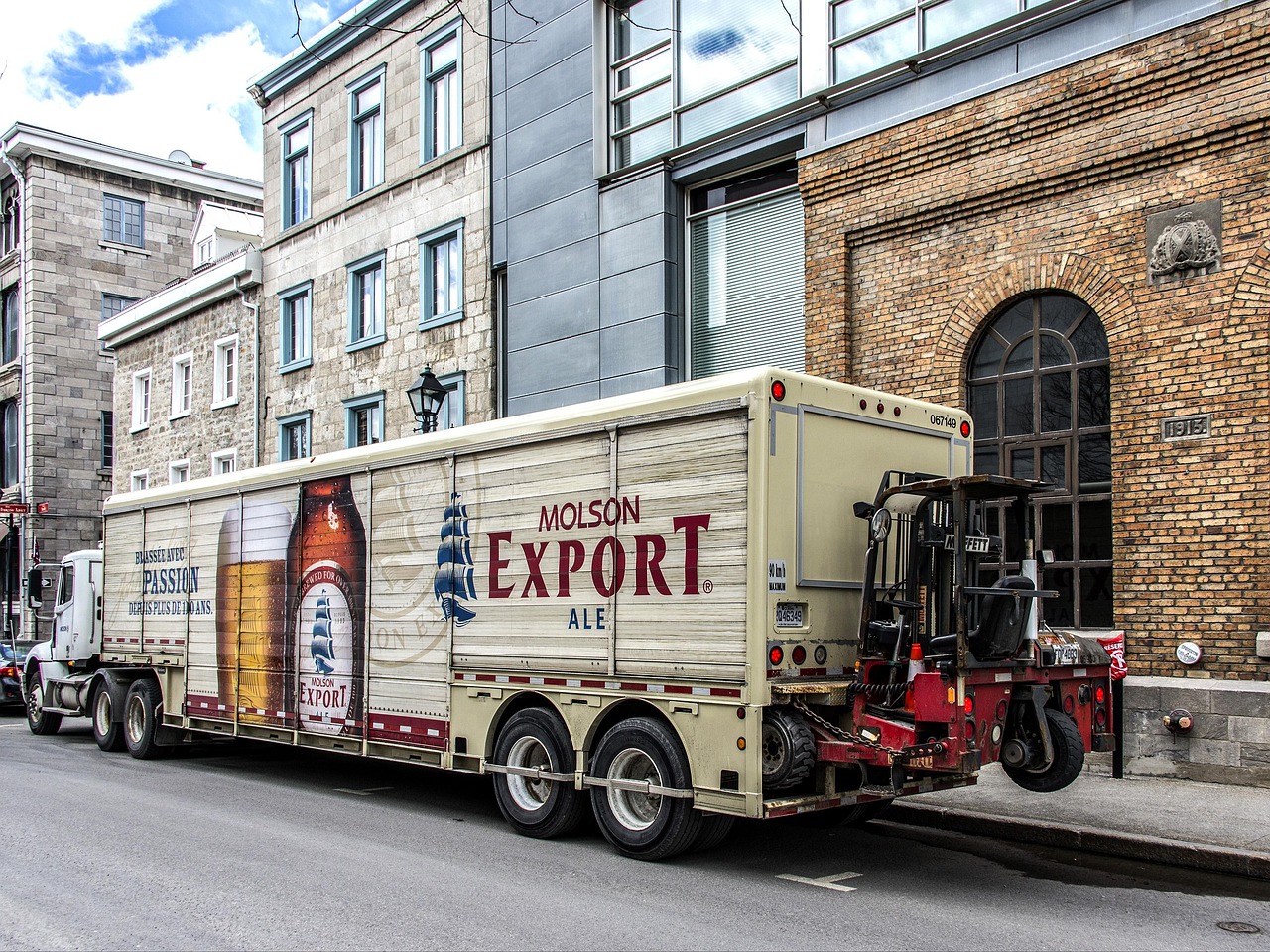
Heavy Goods Vehicle (HGV) training serves as the primary gateway to a vital industry that keeps the economy functioning. Practically every item on store shelves arrives via road transport, making skilled drivers essential to the supply chain. For individuals considering a career change or looking to acquire a practical new skill set, obtaining an HGV license opens doors to a wide range of employment opportunities across the UK and Europe. It provides the necessary qualifications to operate large commercial vehicles legally and safely, transforming a standard driver into a professional logistics operator.
Understanding the Different HGV License Categories
The first step in your training journey involves understanding the distinct categories of licenses available, as each permits the holder to drive specific vehicle types. The Category C1 license allows you to drive vehicles weighing between 3,500kg and 7,500kg. This is often the entry point for paramedics driving ambulances or individuals operating smaller delivery trucks and horseboxes.
HGV training courses provide structured instruction and practical driving experience to help you gain the skills and qualifications needed to drive heavy goods vehicles professionally.
If you aim to drive rigid vehicles over 3,500kg, you will need a Category C license. This is the most popular starting point for new drivers and is commonly required for standard lorry driving jobs, bin wagons, and tipper trucks. It allows you to drive a vehicle with a rigid body base, regardless of its weight. For those aspiring to drive the largest vehicles on the road, the Category C+E license is the ultimate goal. This covers articulated lorries with a separate cab and trailer, where the trailer weighs over 750kg. This category offers the highest earning potential but requires the highest level of skill.
Prerequisites for Starting Your Training
Before you can begin practical instruction, you must meet specific criteria set by the Driver and Vehicle Licensing Agency (DVLA). You need to be at least 18 years old and hold a full car driving license (Category B). The process begins with a medical examination to confirm you are fit to drive heavy vehicles. A doctor will check your eyesight, blood pressure, and general health to confirm you meet the safety standards required for professional drivers.
Once the medical exam is complete, you must apply for your provisional entitlement using the D2 and D4 forms. Submitting these to the DVLA adds the provisional HGV category to your existing license, authorizing you to start learning.
The HGV Training and Testing Process
The training path follows a structured sequence designed to build competence and safety. Once you receive your provisional license, you must prepare for and pass the theory and hazard perception tests. These assessments examine your knowledge of road rules, vehicle safety, and your ability to spot developing hazards. You must pass these before you can get behind the wheel of a lorry for your practical course.
Practical training usually takes place over an intensive period, often lasting five days. During this time, qualified instructors teach you vehicle handling, safety checks, and complex road maneuvers. You will learn how to handle the size and weight of the vehicle, manage blind spots, and secure loads correctly. The process culminates in the practical driving test and the Driver CPC (Certificate of Professional Competence) Module 4 demonstration test. The CPC is a legal requirement for professional drivers and involves demonstrating your ability to keep the vehicle and its cargo safe.
Moving Forward with Your HGV Career
Investing in HGV training is a strategic move for anyone seeking a stable and rewarding career. By understanding the different licenses, carefully meeting the requirements, and selecting a high-quality provider, you establish a strong foundation for success. The transport industry relies heavily on skilled drivers, and with the right training, you can become a valuable and well-compensated part of this essential workforce.