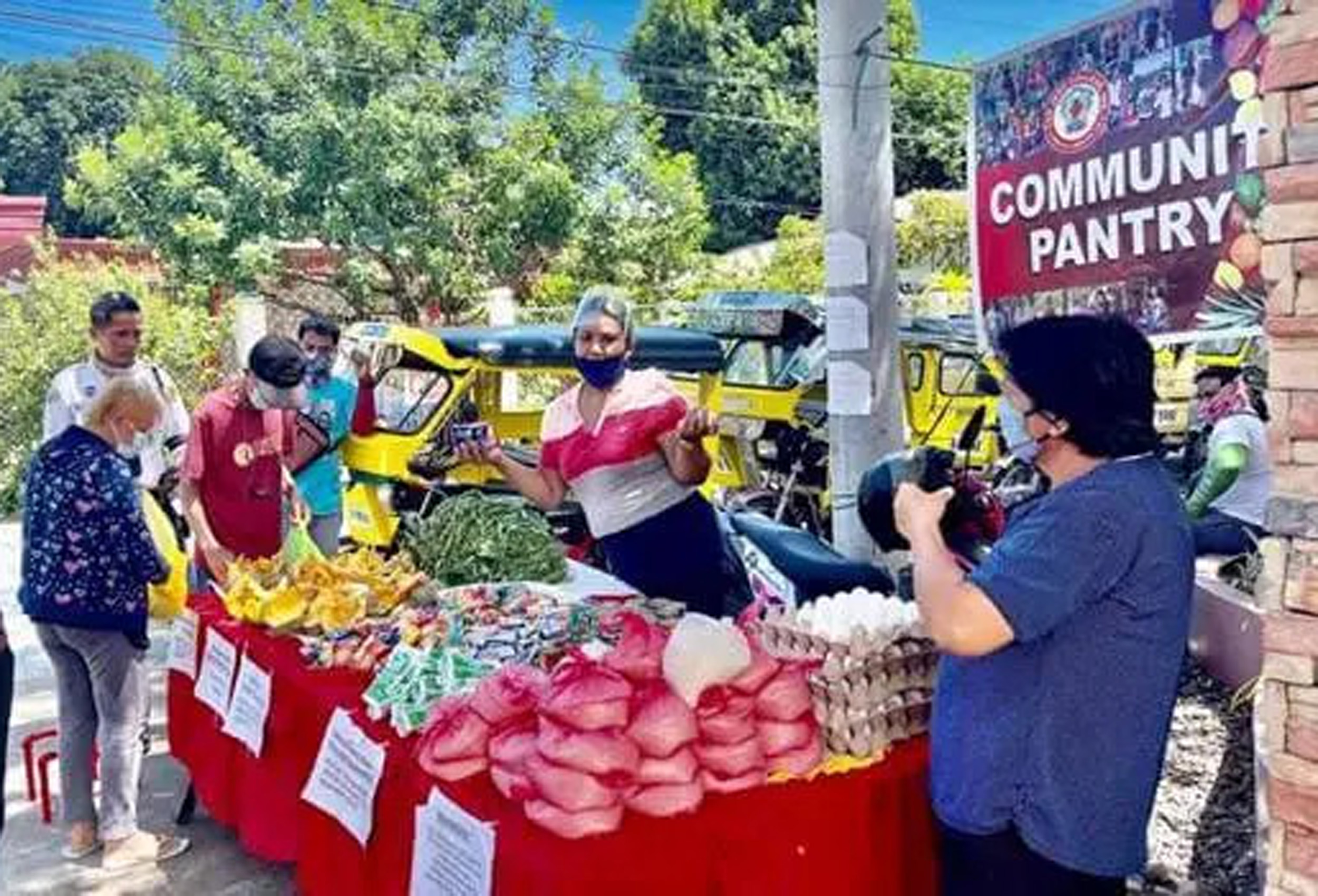
Hunger is a hidden crisis in many neighbourhoods. Community pantries are a grassroots solution designed to address this immediate food insecurity. Unlike large food banks that may require referrals, community pantries are usually open-access cupboards or shelves placed in public areas. They operate on a simple philosophy: take what you need, leave what you can.
Maintained by volunteers and stocked by neighbours, these pantries provide non-perishable food, toiletries, and sometimes fresh produce. Their anonymity and accessibility make them a vital resource for individuals and families who might feel stigmatised asking for help. For someone in your community, locating one can mean the difference between skipping a meal and having a full stomach.
How to Locate a Pantry in Your Area
Finding these resources isn’t always as simple as locating a supermarket, but there are reliable methods to help. Start with digital tools—online maps and directories often track pantry locations. A quick search for “community pantry near me” on Google Maps usually provides results, as many organisers register their sites to make them easier to find.
Social media is another great resource. Local Facebook groups, neighbourhood pages, and community boards are ideal for updates or questions. Organisers frequently post about stock levels or new locations. Searching location-specific hashtags on Instagram or Twitter can also connect you to local volunteer-run accounts.
Community hubs like libraries, community centres, and places of worship are dependable for up-to-date information. These centres often host pantries or maintain lists of local support services—visiting or calling can quickly provide details.
Finally, word-of-mouth works well. Ask neighbours or friends if they’ve seen a pantry nearby. Many are located on quiet residential streets or outside small businesses—places locals pass often but might not appear on digital maps right away.
Best Practices for Using the Pantry
Community pantries work best when everyone follows a few basic guidelines. First, check for any rules posted at the pantry, as some may restrict certain items due to storage or weather conditions. For example, pantries in direct sunlight might discourage leaving chocolate or fresh dairy.
Respecting others’ needs is key. If you’re taking items, only take what you need for now to ensure there’s enough for others. The system relies on trust and consideration, not enforcement.
If you can give, donations are always welcome. Non-perishables like canned vegetables, pasta, rice, and hygiene products are highly useful. Always check expiration dates, as expired food creates extra work for volunteers. Aim to donate high-quality, sealed items you’d eat yourself.
Why These Spaces Matter
The impact of these pantries extends beyond filling stomachs; they also significantly reduce food waste. Households and businesses often have surplus food that would otherwise be discarded. By redirecting this excess to a community pantry, it gets used rather than ending up in a landfill, contributing to a more sustainable local food cycle.
Furthermore, these spaces strengthen a neighbourhood’s social fabric. As physical symbols of community care, they foster solidarity when people see their neighbours contributing. This shows that the community looks out for its members, creating a supportive environment where asking for help is normalised. This mutual aid model builds stronger, more resilient neighbourhoods.
Strengthening Your Neighbourhood
Using a community pantry is a practical way to tackle local food insecurity. Whether you need support or can share resources, participating benefits everyone. Use search engines, social media, or local networks to find one near you.
These spaces thrive on participation. If you use a pantry, do so respectfully. If you can donate, your contribution directly helps a neighbour in need. Supporting these initiatives builds a stronger community where everyone has access to essentials.