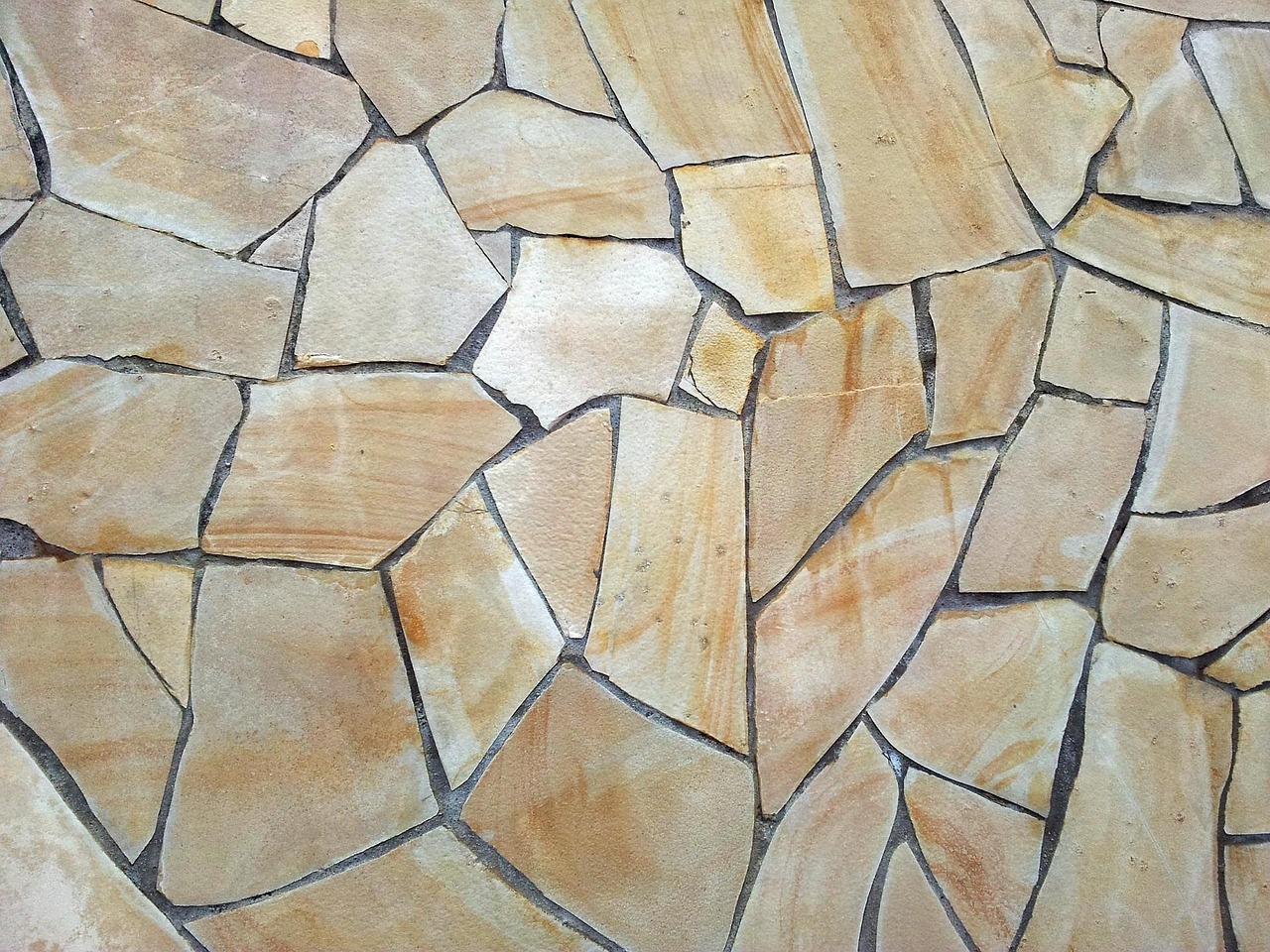
Natural stone has a way of grounding a property, bringing an element of the outdoors inside to create a calm and sophisticated environment. Among the various options available to homeowners, limestone tiles stand out as a premier choice for those wanting to balance durability with natural beauty. This sedimentary rock, formed over millions of years from marine life and minerals, offers a depth of character that porcelain or ceramic alternatives simply cannot replicate.
The Benefits of Choosing Limestone
One of the main reasons homeowners and interior designers choose limestone is its durability. While softer than granite, high-quality limestone is incredibly hard-wearing and can withstand heavy foot traffic, making it a practical investment that can last for decades with the right care.
Limestone is also an excellent heat conductor, making it an ideal partner for underfloor heating systems. The stone absorbs and radiates heat effectively, keeping the room comfortable for longer. This energy efficiency adds a functional advantage to the stone’s visual warmth.
Understanding Variations in Type and Texture
Limestone is not a one-size-fits-all material. Its appearance varies based on where it’s quarried, offering colours from soft creams and warm beiges to cool greys and deep charcoals. Some tiles showcase fossils and veins, reflecting the stone’s history, while others have a more uniform look.
The tile’s finish also impacts a room’s style. Honed tiles have a smooth, matte finish, perfect for modern interiors. Tumbled tiles, with softened edges and roughened surfaces, create a rustic look ideal for cottages or traditional spaces. Brushed and textured finishes provide grip and character without the aged appearance of tumbled stone.
Where to Use Limestone in Your Property
Limestone’s versatility makes it a practical choice for various areas of your home. Large format tiles are often used in open-plan kitchens and hallways to create a sense of space and flow. Depending on the finish, its natural slip resistance also makes it a safe, stylish option for bathrooms and wet rooms.
You can also use this material to connect indoor and outdoor spaces. By running the same limestone from your kitchen onto a patio—using a thicker, frost-resistant version outside—you create a continuous visual line that extends your living area into the garden.
Essential Maintenance and Care
Because limestone is porous, maintaining its beauty requires a specific routine. You must seal the tiles during installation and reseal them periodically to prevent moisture damage and staining. While the frequency depends on foot traffic and the type of sealer used, this step is essential to protect the stone’s integrity.
Cleaning requires a gentle touch. Avoid harsh chemicals or acidic cleaners containing bleach, lemon, or vinegar, as these can etch the surface and dull the finish. Instead, use a pH-neutral cleaner designed for natural stone. Wiping up spills promptly—especially acidic substances like wine or juice—will prevent permanent marks and keep your floors pristine.
Summary
Limestone tiles offer a practical elegance that few other materials can match. With their heat-conducting properties and vast array of colours and textures, they provide a solid foundation for any interior design. By understanding the stone’s specific installation and maintenance needs, you can enjoy a beautiful, natural floor that ages gracefully with your home. If you’re ready to explore options for your renovation, contact our team for expert guidance on selecting the right stone for your project.