Protecting your property is a fundamental responsibility. A physical barrier serves as your first line of defense, reducing the risk of theft and vandalism while clearly defining your boundaries. While cameras and alarms are useful, they often react only after a breach; a well-constructed fence works to prevent that breach from happening at all.
A secure perimeter provides peace of mind for your assets and family. It acts as both a visual deterrent and a physical obstacle, signaling that your property is well-protected. However, effectiveness depends on selecting the right materials and ensuring correct security fencing installation. A poorly installed fence can be easily bypassed, wasting your investment. This guide explores the best options and processes for securing your perimeter effectively.
Understanding the different types of security fencing
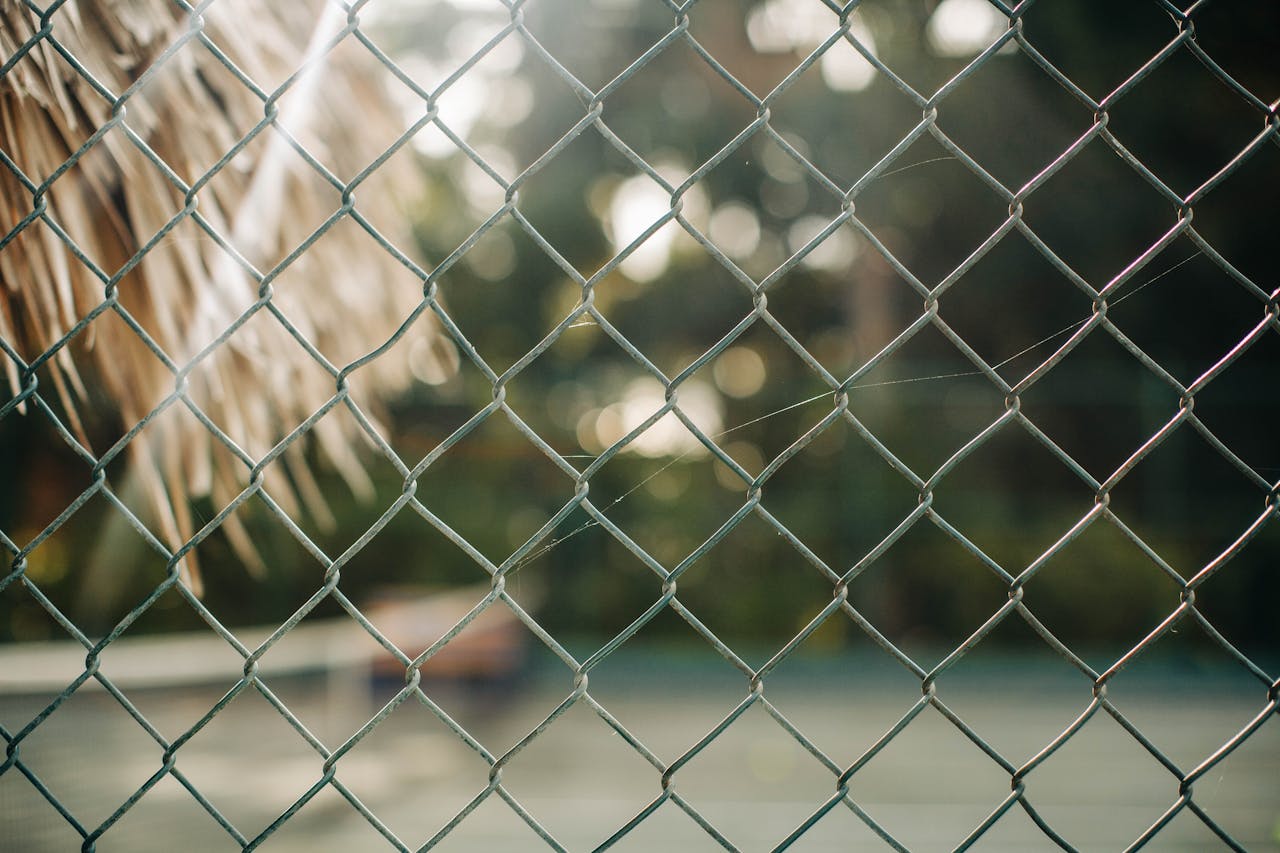
Security fencing isn’t one-size-fits-all; your choice should depend on your specific security needs, budget, and desired look. Chain-link is a popular, cost-effective option that allows for easy monitoring, though standard versions are vulnerable to cutting. For higher-risk areas, welded mesh panels offer a stronger alternative that is harder to climb or cut while maintaining visibility.
If you require a more formidable barrier, steel palisade or iron railings are your best options. Steel palisade is particularly effective for industrial sites due to its strength and intimidating pointed tops. Iron railings provide similar durability with decorative designs that secure your property without sacrificing curb appeal.
Timber fencing is ideal for prioritizing privacy. While wooden panels are generally less resistant to force than steel, they remain secure when you use heavy-duty materials and concrete the posts firmly. Many homeowners use timber for rear gardens while reserving metal fencing for more vulnerable front perimeters.
The installation process explained
Proper installation begins with careful planning. Start by surveying your perimeter to confirm property lines and locating underground utilities; this ensures your safety and prevents expensive repairs. Once cleared, mark your line with stakes and string to keep the fence straight.
Next, focus on the post holes. For a secure structure, posts should be anchored deeply—ideally one-third the length of the post and three times its width. This prevents the fence from leaning or being forced over. If your soil is soft, consider deeper or wider footings for better stability.
Finally, set the posts in concrete. Center each post in its hole, fill it with mix, and use a spirit level to ensure it is perfectly vertical. After the concrete cures—usually over several days—you can attach your panels. We recommend using tamper-proof fixings to provide an extra layer of protection against intruders.
Maintenance for long-term protection
Even the strongest fences need maintenance to stay effective. Metal fences, like steel or iron, can rust if their protective coating is damaged. Inspect them annually for corrosion, and if rust appears, sand it down and apply rust-inhibiting primer and paint to prevent spread. Galvanised steel needs less upkeep but still check for structural damage.
Timber fences require a different approach. Wood is prone to rot, insects, and warping. Applying a quality preservative every few years protects it from moisture and extends its life. Keep plants like ivy away from the fence, as they trap moisture and can damage panels. A clear perimeter improves air circulation and makes inspections easier.
Secure your property for the future
Investing in quality security fencing is a smart way to protect your property. With the right materials and proper installation, you create a durable barrier that deters crime and safeguards your assets. Whether you prefer chain-link for visibility, steel palisade for strength, or timber for privacy, you’ll ensure a safer environment for your family. Assess your property’s vulnerabilities and choose an installation that provides the protection you need.