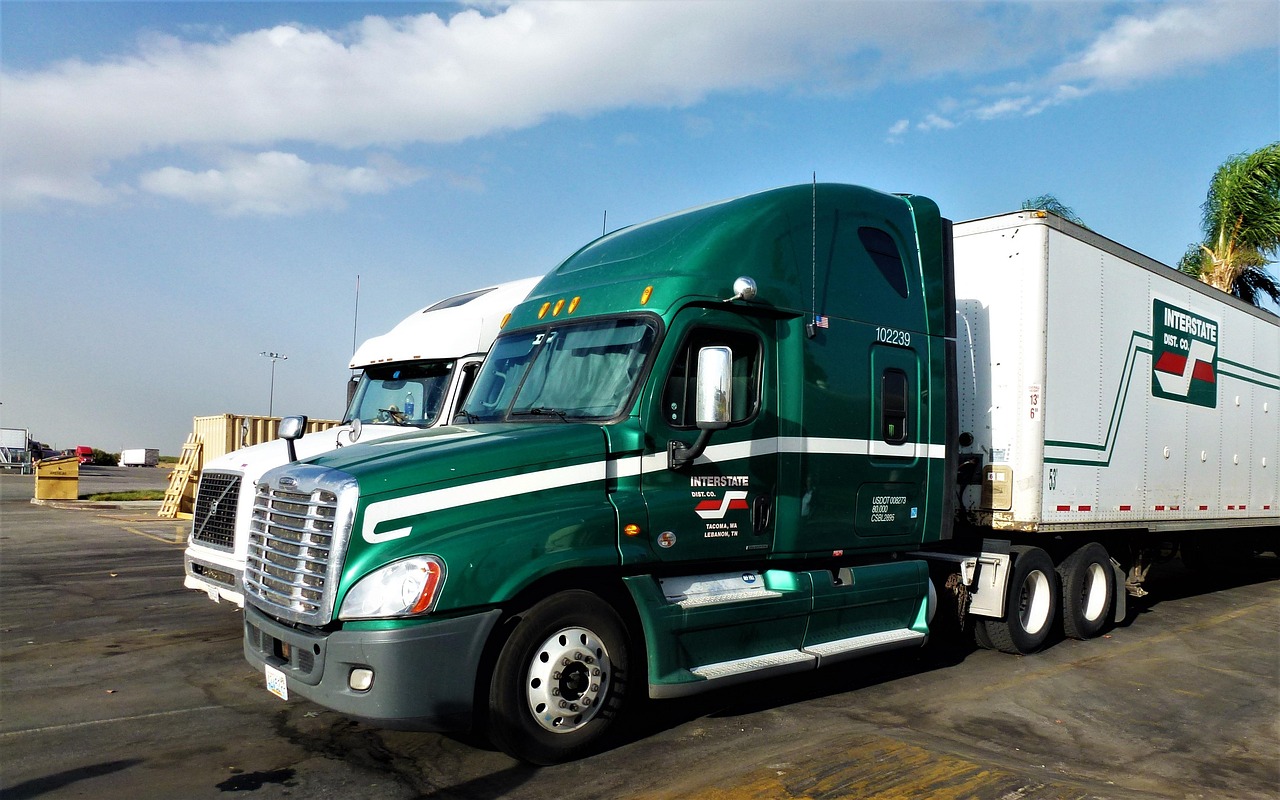
The demand for qualified Heavy Goods Vehicle (HGV) drivers is consistently high, particularly in a bustling logistics hub like London. If you are considering a career change or looking to upgrade your driving qualifications, obtaining an HGV license can open doors to a stable and potentially lucrative career. Driving these large vehicles requires skill, responsibility, and specific training to manage the challenging road conditions of the capital and beyond.
Navigating the path to becoming a professional driver involves understanding the specific licensing categories, selecting a reputable training provider, and passing rigorous tests. This guide outlines the essential steps to help you get started on your journey toward becoming a qualified HGV driver in London.
Understanding HGV Categories and Requirements
Before you sign up for a course, you must determine which category of vehicle you intend to drive. The most common licenses are Category C1, Category C, and Category C+E. Category C1 allows you to drive vehicles between 3,500kg and 7,500kg. This is often suitable for ambulance driving or small delivery trucks. Category C, often referred to as Class 2, permits you to drive rigid vehicles over 3,500kg with a trailer up to 750kg. This is the standard entry-level license for most professional lorry drivers. Finally, Category C+E, or Class 1, allows you to drive articulated lorries with trailers over 750kg, which are the largest vehicles on the road.
If you want to start a career as an HGV driver, go to Google and search for “hgv training London” to find the best local training centres.
To begin training, you must hold a valid UK car driving license (Category B), be over 18 years of age, and possess a provisional HGV license. You will also need to pass a medical exam to confirm you are fit to drive heavy vehicles. This assessment checks your eyesight, general health, and any underlying conditions that could affect your driving ability.
Choosing the Right HGV Training School
London hosts numerous training providers, but the quality of instruction can vary. Selecting the right school is critical for your success. Look for a provider that is fully accredited and employs DVSA-approved instructors. A good school will offer transparent pricing with no hidden costs for test fees or vehicle hire.
You should ask about the pass rates of the training center and request reviews from former students. Practical training typically takes place over five to ten days, depending on your prior experience and the intensity of the course. Since London roads present specific challenges—such as congestion, narrow streets, and the Ultra Low Emission Zone (ULEZ)—finding a provider that offers experience driving in these conditions is beneficial.
The HGV Training Process
The training process is structured to build your competence and confidence gradually. It begins with the theory test, which includes multiple-choice questions and hazard perception clips. You must pass this before you can take your practical driving test.
Once the theory is secured, you move on to practical training. Your instructor will teach you vehicle safety checks, maneuvering exercises like reversing, and on-road driving skills. You will learn how to handle the vehicle safely in traffic, manage speed, and anticipate the actions of other road users. The final step is the Driver CPC (Certificate of Professional Competence) Initial Qualification, which is legally required for professional drivers. This involves case studies and a practical demonstration of vehicle safety.
Your Future on the Road
Becoming an HGV driver requires dedication, financial investment, and a commitment to safety. By understanding the requirements and choosing a high-quality training provider in London, you lay the groundwork for a successful career. The transport industry relies on skilled drivers to keep the supply chain moving, making this a profession that offers genuine stability and opportunity.