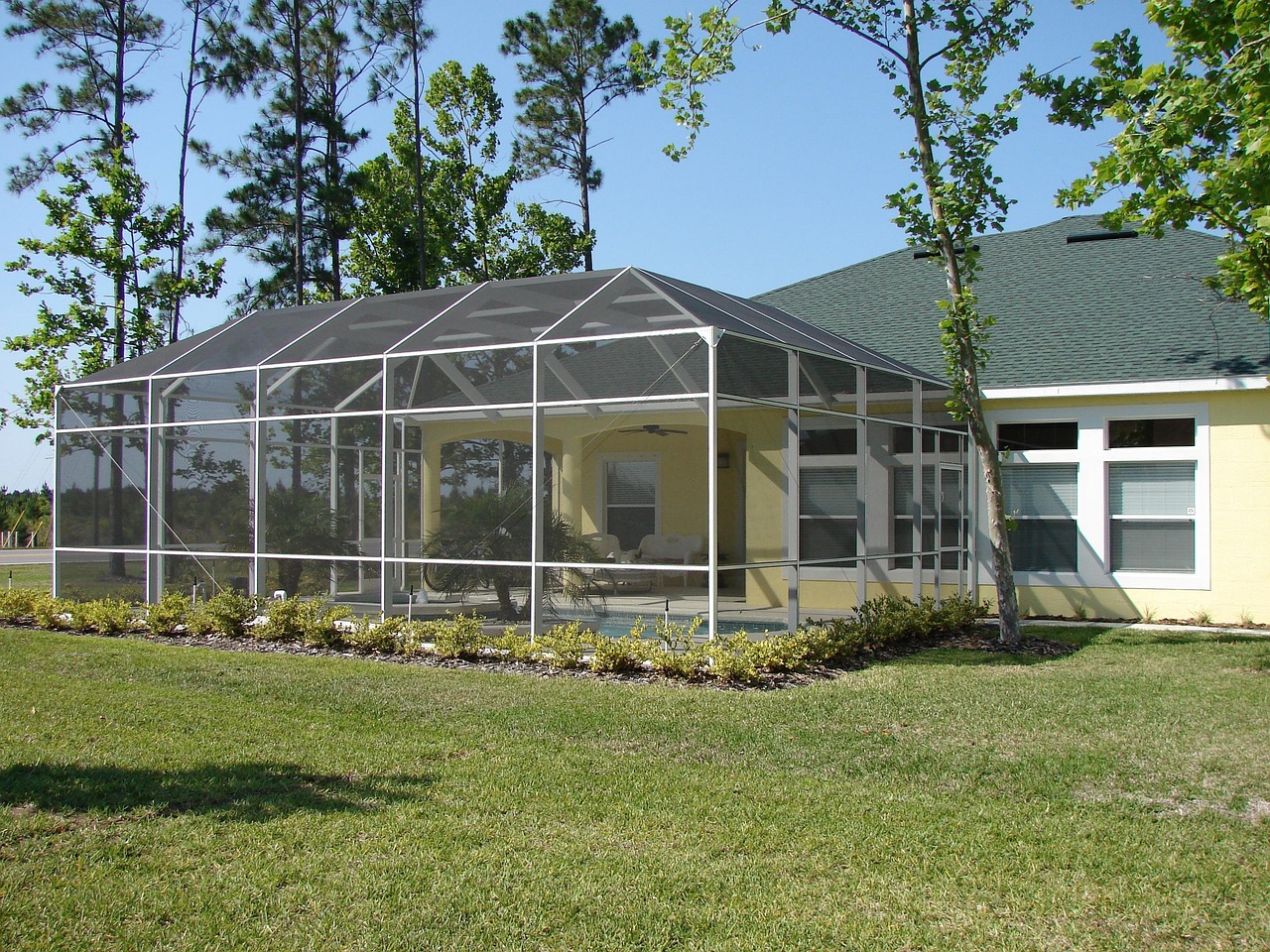
Large garden rooms represent a significant shift in how we view domestic space. They have moved far beyond the humble potting shed to become sophisticated, fully insulated extensions of the home. As families grow and the demand for flexible living areas increases, these structures offer a practical solution without the disruption of a loft conversion or a traditional brick extension. A substantial garden building provides the square footage needed to radically alter your lifestyle while simultaneously increasing the market appeal of your property.
Expanding Your Living Potential
The main appeal of a large garden room is its flexibility. Many homeowners use these structures as professional-grade home offices, creating a psychological boundary between work and domestic life that is vital for mental well-being. But the possibilities extend far beyond remote work.
We see these spaces used as large home gyms, light-filled art studios, or soundproofed music rooms. For families with older children, a garden room can become a teenage den or games room, keeping noise out of the main house. From a financial perspective, property experts agree that adding high-quality floor space increases a home’s overall value, making it a tangible asset that buyers appreciate.
Design and Customization
When planning the design, think carefully about how you will use the room daily. A large footprint allows for multi-functional zoning, such as partitioning the area to include a secure storage section. The building’s orientation is crucial; south-facing windows can reduce heating costs, while bi-fold doors open the space up to the garden in summer.
Choose materials that complement your home. Cedar cladding offers a contemporary look that weathers to a silver-grey, while rendered finishes can match a modern house. The interior specifications, including ample power points, heating, and high-speed internet cabling, should match the quality of your main home.
CConstruction and Regulatory Considerations
Building a large structure requires assessing ground conditions. Heavy buildings need a solid base, like a concrete slab or ground screws, to prevent subsidence. Skipping this step can lead to costly issues.
Planning permission is often required. While many garden rooms fall under permitted development rights (under 2.5m high and occupying less than 50% of your garden), larger rooms often exceed these limits. You’ll likely need full approval for sleeping accommodation or large structures. Always check with your local planning authority before starting. Additionally, structures over 30m² must meet building regulations for fire safety and insulation.
Cost and Budgeting
The price of a large garden room varies with its specifications. Size is the most apparent cost driver, but your choice of glazing and insulation also plays a significant role. Floor-to-ceiling glass looks impressive but is much more expensive than standard windows. You must set a realistic budget that covers the build cost and hidden extras like connecting electricity, landscaping, and interior furnishing. To manage costs, stick to standard dimensions, as custom shapes often require expensive structural adjustments.
Maintenance and Care
Protecting your investment involves regular maintenance. Timber buildings need treatment every few years to protect against rot and UV damage. Keep gutters clear of leaves to stop water from overflowing and damaging the cladding. Vegetation should be trimmed back to maintain a gap around the perimeter, allowing air to circulate and preventing damp patches. Finally, ensure the roof is inspected annually, especially after heavy storms, to catch any leaks early.
Moving Forward with Your Project
A large garden room transforms a property by providing essential extra space and privacy. By understanding the regulations and planning your budget accurately, you can install a building that serves your family for decades. Take the time to sketch your requirements and speak to reputable suppliers who can demonstrate a track record of quality installations.